Full, Partial or Accent Highlights: Which One Should You Book?
The three services differ by coverage, not by quality — and booking the wrong one is the most common reason people leave disappointed.
Three names on a menu, one underlying service, and a genuinely confusing amount of jargon. If you have ever booked a highlight appointment and quietly hoped the stylist would work out what you meant, this one is for you.
The honest summary: full, partial and accent describe how much of your head gets foiled. That is it. The technique is the same, the product is the same, the skill is the same. What changes is coverage — and therefore price, time in the chair, and how the result grows out.
Full highlight
What it is: foils placed throughout the entire head — top, sides, back, down to the nape and underneath.
Book it if:
- You wear your hair up, in a ponytail, or braided with any regularity. Anything that exposes the under-layers needs the under-layers done.
- You are making a significant change in overall lightness.
- Your hair is short. On short hair almost everything is a "top layer", so partial coverage rarely looks right.
- You want the most even, all-over result and are happy to commit to the maintenance.
The trade-off: it is the longest appointment and the highest maintenance. Roots show everywhere, so the grow-out clock runs on the whole head at once.
Partial highlight
What it is: foils on the top of the head and the sides — the areas visible when your hair is down.
Book it if:
- You almost always wear your hair down.
- You want dimension and brightness around your face and through the top without going lighter overall.
- You had a full highlight last time and are maintaining it — alternating full and partial is a very common, very sensible rhythm.
- You want a shorter appointment and lower cost.
The trade-off: put it in a ponytail and the untouched underneath will show. Some people love that contrast. Others are surprised by it, which is exactly why it is worth deciding in advance.
Accent highlight
What it is: a small number of foils, typically framing the face and along the part.
Book it if:
- You want brightness around your face and nothing else.
- You are testing whether you like being lighter before committing.
- You are stretching the time between bigger appointments and want a refresh in between.
- You have a specific event and want to look brighter in photographs without changing your hair.
The trade-off: it is a highlight service, not a colour change. If you are hoping to go noticeably lighter overall, an accent will not get you there and you will be disappointed by a service that did exactly what it was supposed to.
A simple way to decide
| If this is true... | Book |
|---|---|
| My hair is usually up | Full |
| My hair is short | Full |
| I want to go noticeably lighter overall | Full |
| I wear it down and want dimension | Partial |
| I am maintaining an existing full highlight | Partial |
| I just want my face brighter | Accent |
| I am not sure I want to be blonde | Accent |
Things worth knowing before you book
Bring photographs — several, and honest ones. Bring one or two you love and, more usefully, one you do not. Knowing what you are trying to avoid tells a stylist as much as knowing what you want.
Say how you actually wear it. Not how you wear it on good days. If your hair spends four days a week in a bun, that is the relevant fact.
Say how often you realistically come in. A stylist will place foils differently for somebody returning in six weeks than for somebody who will next appear in six months. There is no wrong answer, and a placement designed to grow out gracefully is a real thing you can ask for.
Understand that lightening is a process. Dark hair, previously coloured hair, or hair with box dye in it may take more than one session to get where you want, safely. A stylist who tells you that up front is protecting your hair, not upselling you.
Aftercare, briefly
Highlighted hair is chemically lifted hair, and it needs a bit more than it did before. The short version:
- Sulphate-free shampoo, and wash less often than feels natural.
- Cool water for the final rinse. Hot water opens the cuticle and colour leaves with it.
- Heat protectant every single time you use hot tools.
- A bond-repair treatment such as AVEDA Botanical Repair if your hair feels stretchy or straw-like.
- If you are on well water, read our piece on hard water and hair — mineral buildup is the most common cause of highlights going brassy up here.
Book with confidence
All three highlight services are on our salon menu. J. Jukuri is an AVEDA Concept Salon in Houghton, and if you genuinely are not sure which service you need, book a consultation or call 906-482-2200 — it is a five-minute conversation that saves a two-hour disappointment.
Frequently asked questions
A full highlight places foils throughout the entire head, including the back and the under-layers. A partial highlight covers only the top and sides — the areas visible when your hair is worn down. If you regularly wear your hair up, a partial will show untouched hair underneath.
Most people return every 8 to 12 weeks, depending on how fast their hair grows, how light the highlights are compared to their natural colour, and how they wear it. Alternating a full highlight with a partial is a common way to stretch the interval without losing dimension.
Often not safely, particularly if your hair has been box-dyed. Lifting dark or previously coloured hair to a light blonde usually takes more than one session with recovery time in between. A stylist who tells you this at the consultation is protecting the integrity of your hair.
Effectively yes — an accent highlight is a small number of foils placed around the face and along the part to brighten the areas closest to your features. It refreshes and brightens; it does not change your overall colour.
Come and see us in Houghton
Massage, full spectrum infrared sauna, wellness sessions and AVEDA salon services — book online, or call and talk it through first.
Keep reading
More from the Journal
 Hair & Color
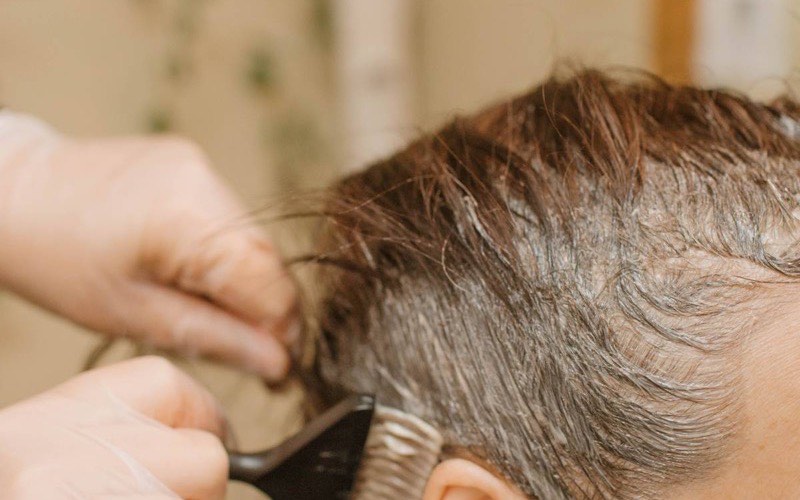
What Makes AVEDA Hair Color Different?
The first thing people notice is that it does not smell like hair colour. The second thing takes about three weeks.
Read the guide →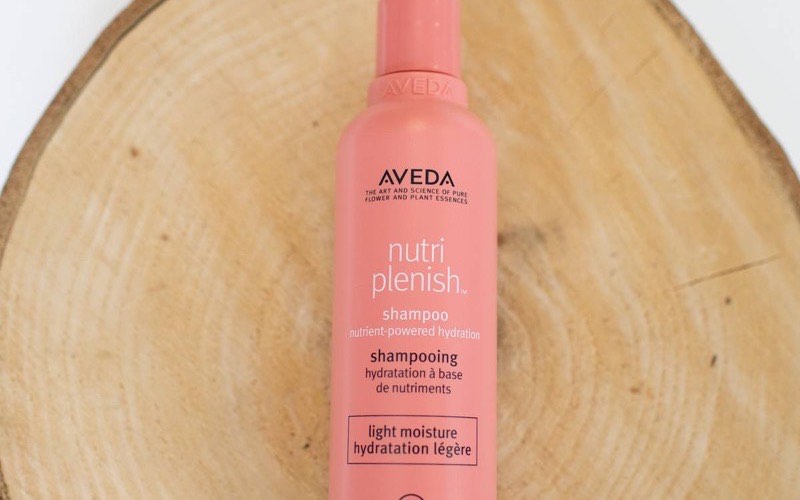 Hair & Color
AVEDA Botanical Repair: What Bond-Building Actually Does
Conditioner makes damaged hair feel better. Bond repair addresses why it is damaged. They are not the same purchase.
Read the guide →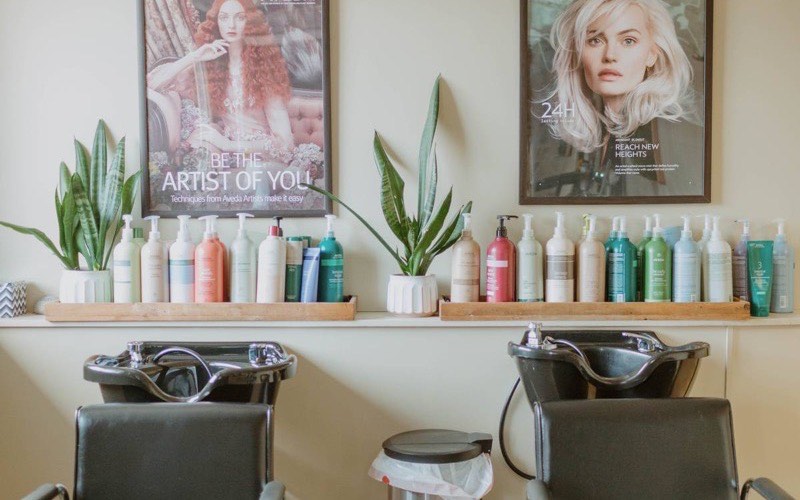 Hair & Color
Hard Water, Well Water and Your Hair: A Copper Country Problem
You did not do anything wrong. Your well did.
Read the guide →